


Awich's Tokyo Weekend

Curated by Awich
Hypemaps recently caught up with Japanese local rap star Awich to find out where she likes to spend her time on the weekend in Tokyo. Despite her busy schedule split between events, performing, and recording in the studio, Awich enjoys unwinding by visiting a few of her favorite spots. Awich highlighted businesses owned by her fellow Okinawans, places where she enjoys music, gets inspired, and even takes part in some retail therapy. The artist notes that the locations featured are particularly nice for an exciting but can also be visited during weekdays for a calmer atmosphere.
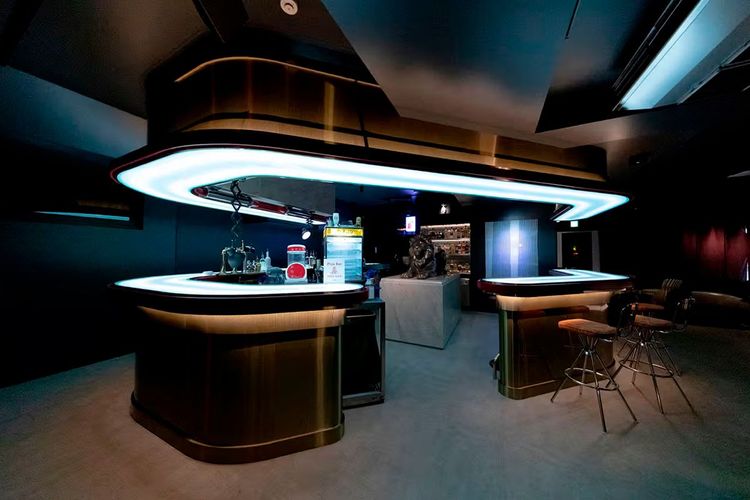
Opened in 2020, Music Bar Lion has become a fixture for youth in Shibuya. Throughout the week, the lively music bar serves as a home for creatives from throughout Tokyo, dishing out simple drinks and tunes courtesy of a standout lineup of DJs both local and international. The interior matches the eclectic nature of the establishment with bright and bold furnishings by Shigeru Okada accented by works of various artists. "Opened by Okinawan kohai, Music Bar Lion is where you want to go unwind with good music. Also, they sell a lot of my alcohol spirit HABUSH."
2.
ENTER

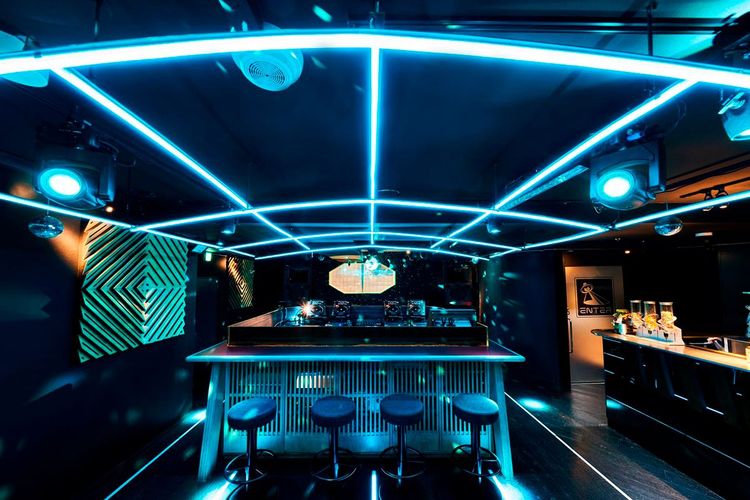
From the company that brought Tokyo Contact and Sound Museum Vision, Global Hearts opened ENTER to serve as a prime party spot in the city. An interesting note about ENTER is that the DJ booth is located in the middle of the dance floor offering artists the clearest sound possible, while guests can enjoy a 360-degree view of the artists. Additionally, the sound system at ENTER features a speaker in each corner and a Meyer Sound subwoofer for optimal sound quality. "Located in the same building as Lion, this music bar offers a more underground feel. I suggest moving back and forth between the two for an extra fun night."
3.
The Mass
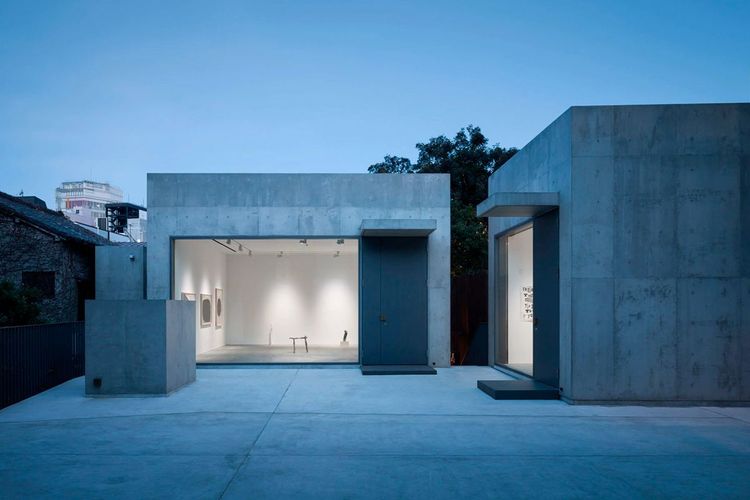
Standing out as a monolithic structure amidst a modest neighborhood, The Mass was opened by curator Masayuki Nishimoto in 2016. The gallery focuses on contemporary art and hosting cultural events, while serving as the first of the Harajuku Expanding Landscape Project architectural initiative. The Mass itself is comprised of three individual galleries connected by a central courtyard offering versatility in the exhibition space. "This is by far my favorite art gallery in Tokyo."
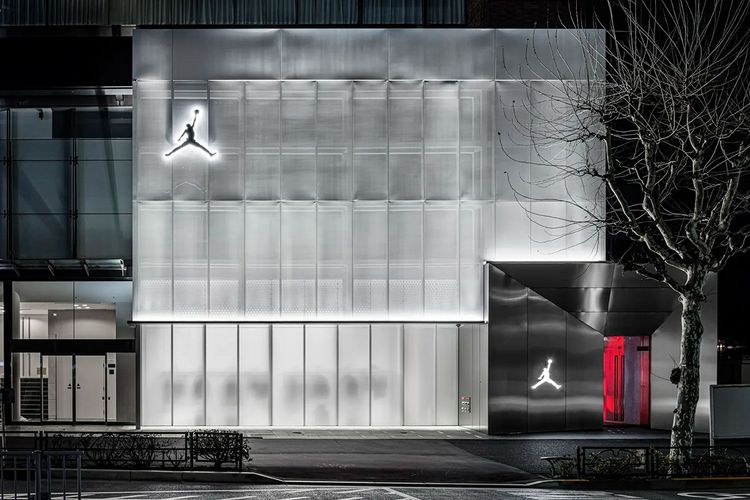
Jordan World of Flight Tokyo Shibuya is a first-of-its-kind retail destination that encapsulates endless basketball culture through the lens of Jordan Brand and Nike. The 9,200-square-foot space stands as the largest World of Flight store with an NBA-style gateway, an exclusive Members Lounge, an extensive selection of footwear and apparel, along with SNKRS pick-up. "This is the place for sneakerheads and fans of Jordan Brand. This new flagship is where you'll find limited edition items only available in Tokyo."
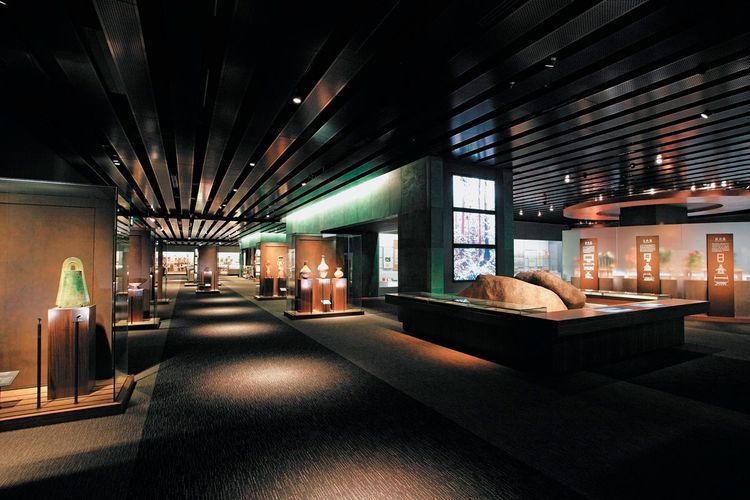
Serving as one of the most renowned museums in Japan, the Kokugakuin University Museum holds extensive knowledge of the nation's archeology and Shinto religion. Since being established by Dr. Kiyoyuki Higuchi in 1928, the museum has been collecting, preserving, and displaying materials found at notable locations in Japan. Items on display include Jomon pottery, Haniwa, stone pieces, shell jewelry, coronation garments, drums, and more. "Making a trip to the Kokugakuin University Shibuya Campus, you have to visit this museum for a view of ancient Japanese history and culture."
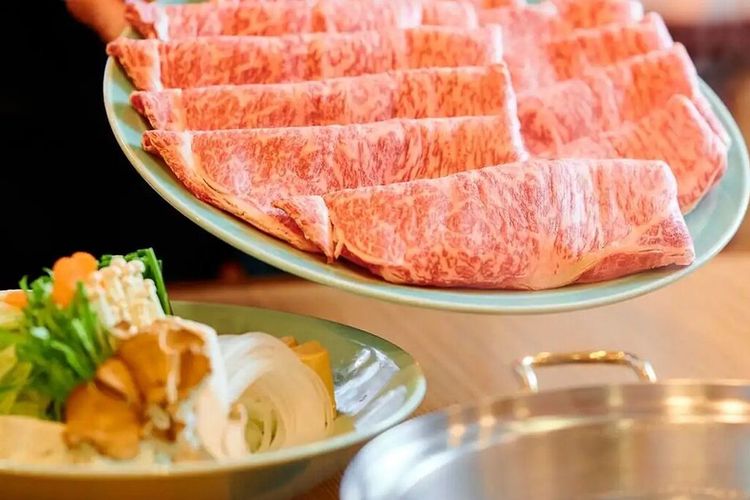
Located in the basement of the Shibuya Creston Hotel, Shabu Zen is a Japanese hotpot restaurant that serves traditional Shabu-Shabu hotpot. It is also interesting to note the warming nabemono dish of thinly sliced meat, vegetables, and more simmered in a flavorful broth served with dipping sauces was also featured in 'Lost in Translation.' Shabu Zen also has locations in both Roppongi and Ginza. "This is my go-to restaurant, you can eat good quality Shabu-Shabu late into the evening. After late nights in the studio, I'm still very well taken care of here haha."
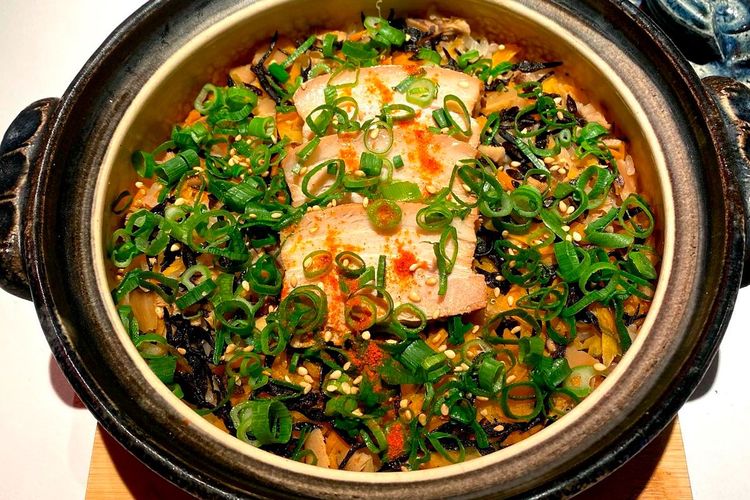
Capturing the feel of Naha, Sakaba Turquoise will transport you to Okinawa with every bite coming out of its kitchen. Here you'll find updated takes on Okinawan classics like Okinawa soba, goya champuru, soki, and rafute. The food is only accented by the local alcohol on hand and the bold decor found in the dining area. "Opened by a kohai from Okinawa, this izakaya offers creative Okinawan cuisine and more importantly Okinawan alcohol."