


Famous Wong Kar Wai Filming Locations in Hong Kong
Curated by Hypemaps Team
To Wong Kar Wai, Hong Kong isn't just a setting, the city is a character in itself. His films transform ordinary locations into iconic spaces, breathing life into forgotten corners of the city. The Chungking Mansions in Tsim Sha Tsui; the staircases of Mid-Levels, winding their way up the steep hillsides; even unassuming alleys, bustling night markets and neon-drenched streets – each location contributes to the intoxicating atmosphere that defines Wong Kar Wai's cinematic vision of Hong Kong. Visit these locations next time you're in Hong Kong, just remember to bring a tripod – long exposures recommended.
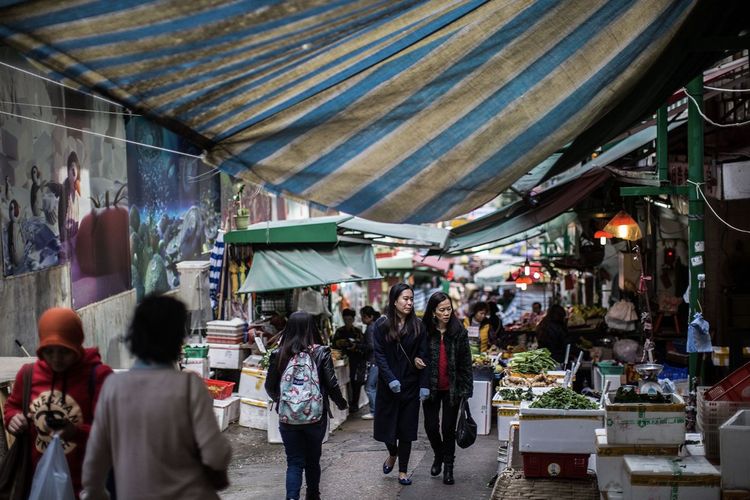
Step into Graham Street Market gives movie fans a glimpse of the living, breathing backdrop that has graced the evocative films of Wong Kar-wai. This historic wet market, with its vibrant energy and layered textures, has served as a potent visual and atmospheric element in his cinematic tapestries. The close quarters amplify chance encounters and the raw, unfiltered reality of everyday Hong Kong life – these are the very elements Wong Kar-wai masterfully captured in films like 'Chungking Express' and 'Days of Being Wild.' The market's narrow lanes, overflowing with fresh produce, seafood glistening on ice, and the cacophony of vendors and shoppers, become a stage for fleeting moments of connection, longing, and the melancholic beauty that permeates his work.
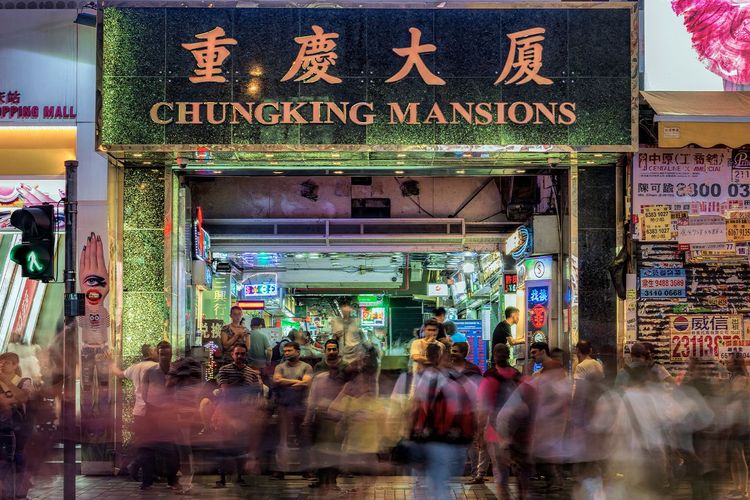
The Chungking Mansions of 'Chungking Express' is a feeling as much as a place. It embodies the sense of being lost and found in the density of Hong Kong, the possibility of serendipitous encounters amidst the urban sprawl. The short, sharp vignettes of the film, often unfolding in and around these bustling, temporary spaces, mirror the fleeting nature of relationships and the transient lives of the characters. While Chungking Mansions itself has undergone changes since the filming of Chungking Express, its spirit – the vibrant mix of cultures, the sense of constant motion, the potential for unexpected human connection in a crowded space – remains a potent and recognizable aspect of Hong Kong's urban fabric, forever immortalized through Wong Kar-wai's distinctive cinematic lens. The film transformed this ordinary location into a symbol of the city's unique energy and the universal search for belonging.

3.
Mong Kok

Mong Kok, a district pulsating with relentless energy, has served as a significant and visually dynamic backdrop in several of Wong Kar-wai's films, most notably in 'As Tears Go By' and with glimpses in others like 'Fallen Angels.' It's dense urban landscape is a constant flurry of activity, and the vibrant street life perfectly encapsulates the themes of youthful restlessness, fleeting connections, and the often-raw intensity of human relationships that permeate his cinema.
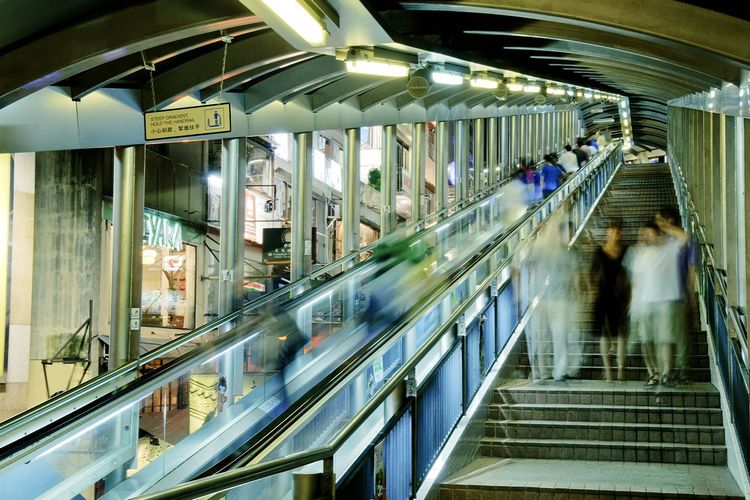
The Central-Mid-Levels Escalator, a seemingly ordinary piece of urban infrastructure, is indelibly etched into the cinematic landscape of Hong Kong thanks to Wong Kar-wai. It serves as a significant and recurring motif, most famously in 'Chungking Express' and also making appearances in 'Fallen Angels,' becoming a visual metaphor for the city's relentless pace, the characters' emotional journeys and the themes of connection and separation. Wong Kar-wai masterfully utilizes the escalator's linear movement to mirror the characters' emotional trajectories like their movement towards or away from connection.
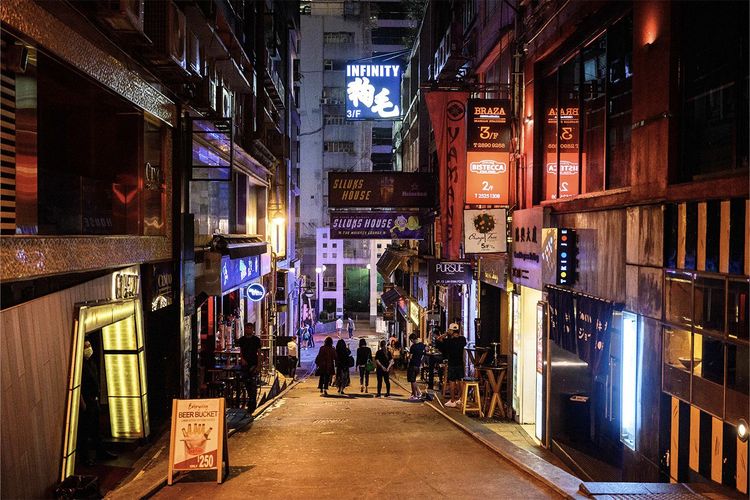
Lan Kwai Fong (LKF), Hong Kong's renowned nightlife district, pulsates with a frenetic energy that, while not as centrally featured as some other locations, has certainly colored the edges of Wong Kar-wai's cinematic world. LKF is a concentrated hub of bars, clubs, and restaurants spilling onto narrow, winding streets, alive with music, laughter, and a constant flow of people seeking connection and release in the city's late hours. While Wong Kar-wai's films often explore themes of loneliness and isolation amidst urban density, the vibrant backdrop of LKF could subtly underscore the characters' yearning for connection or provide a stark contrast to their inner turmoil.
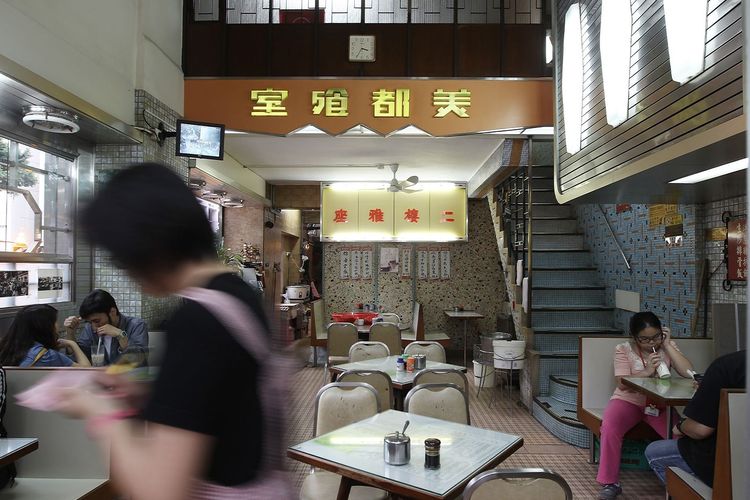
Mido Cafe, with its timeless, old-Hong Kong charm, has a unique ambiance and aesthetic that resonates with the visual textures and nostalgic mood that often permeate Wong Kar-wai's work. The cafe's tiled walls, booth seating with its worn vinyl and the overhead fans stirring the air give an overall feeling of a bygone era preserved in amber. While specific scenes or extended sequences might not be set within Mido Cafe as definitively as in other locations, its authentic "dai pai dong" spirit, albeit in a cafe setting, shares a certain rawness and unpretentious charm with the Hong Kong that Wong Kar-wai often captures. The cafe's role as a local gathering spot, a place where everyday life unfolds with a sense of continuity, could subtly echo the themes of community and the passage of time present in his films.